
Dual Citizenship in Philippines: Eligibility, Requirements, Application Steps, Costs, and Common Pitfalls
Understanding Dual Citizenship in Philippines
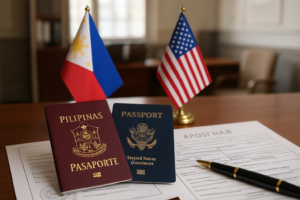
Dual Citizenship in Philippines is a high-interest legal topic for former Filipino citizens, children of Filipinos born abroad, and families managing cross-border status. In practical terms, dual citizenship or dual nationality allows a person to be recognized as a citizen of the Philippines and of another country at the same time, subject to Philippine law and the laws of the other country involved.
The main legal framework most applicants encounter is Republic Act No. 9225, also known as the Citizenship Retention and Re-acquisition Act of 2003. This law allows certain former natural-born Filipinos who lost Philippine citizenship through naturalization in a foreign country to re-acquire Philippine citizenship. Once Philippine citizenship is re-acquired, unmarried minor children may also derive Philippine citizenship under the law, provided the documentary requirements are met.
Because procedures can vary slightly depending on whether you apply inside the Philippines or through a Philippine Embassy or Consulate abroad, it is important to confirm the latest local checklist before filing. Even so, the core rules, documentary standards, and practical steps are broadly consistent.
Who Is Eligible for Dual Citizenship in Philippines?
1. Former natural-born Filipino citizens
The most common category for Dual Citizenship in Philippines is a former natural-born Filipino who became a citizen of another country through naturalization and thereby lost Philippine citizenship. A natural-born Filipino is generally someone who was a Filipino citizen from birth without having to perform any act to acquire or perfect citizenship.
2. Unmarried minor children of the principal applicant
Unmarried children below the age recognized by current implementing rules may usually be included or may derive Philippine citizenship when the principal applicant re-acquires citizenship, provided they are properly documented. Birth certificates, proof of filiation, and identity documents are especially important in these cases.
3. Children born abroad to Filipino parent or parents
Some individuals may already be considered Filipino by descent, even if born outside the Philippines, depending on the citizenship status of their parent or parents at the time of birth. In such cases, the correct process may not be RA 9225 re-acquisition, but rather recognition, reporting of birth, or passport-related procedures. This distinction matters because filing under the wrong procedure can cause delays or refusal.
4. Those who may not qualify under RA 9225
Not everyone seeking Dual Citizenship in Philippines qualifies under the same route. If you were not a natural-born Filipino, or if your claim is based on a parent or grandparent but your own citizenship chain is unclear, you may need a different legal remedy. Applicants with adoption issues, late civil registration, name discrepancies, or incomplete records often need additional supporting evidence.
Step-by-Step Procedure for Dual Citizenship in Philippines
Step 1: Confirm your legal basis
Before preparing forms, determine whether you are applying for re-acquisition under RA 9225, retention, derivative citizenship for a minor child, or recognition of existing citizenship. This first step is critical because the required documents and interview questions depend on the legal basis of the application.
Step 2: Gather civil and identity documents
Collect your Philippine birth certificate, old Philippine passport if available, foreign naturalization certificate, current foreign passport, and any marriage or name-change documents. If you are including children, gather their birth certificates, passports, and parental documents showing the relationship.
Step 3: Secure apostille or legalization for foreign documents
Any foreign-issued public document intended for use in the Philippines or at a Philippine consular post may need to be apostilled or legalized, depending on the country where it was issued. If the issuing country is a party to the Apostille Convention, the document is typically authenticated with an apostille by the competent authority in that country. If the country is not part of the Apostille Convention, consular legalization may be required through the appropriate Philippine Embassy or Consulate after local authentication steps.
This requirement commonly applies to naturalization certificates, foreign birth certificates, marriage certificates, divorce records where relevant, court orders, and certain notarized documents. Submitting unauthenticated foreign records is one of the most common reasons applications are delayed.
Step 4: Obtain certified translations if documents are not in English
If a foreign document is issued in a language other than English, it should generally be accompanied by a certified translation into English for use in the Philippines. The translation should be completed by a qualified translator, and some offices may require the translation itself to be notarized, apostilled, or otherwise authenticated. Always check the exact consular or local civil registry practice before submission.
Step 5: Complete the application forms and book an appointment
Most applicants must complete a petition or application form and secure an appointment with the Bureau of Immigration, a Philippine Embassy, or a Philippine Consulate, depending on where they are filing. Review the official checklist carefully, because some posts require photocopies in specific quantities, passport-size photographs, and pre-filled oath documents.
Step 6: Attend the appointment and submit biometrics if required
At the appointment, you will present originals and copies of your documents, pay the filing fees, and answer any questions about your background, prior Philippine citizenship, and foreign naturalization. Some offices may collect biometrics or require additional forms for minors.
Step 7: Take the Oath of Allegiance
A central step in Dual Citizenship in Philippines under RA 9225 is the Oath of Allegiance to the Republic of the Philippines. The oath is usually administered by an authorized Philippine official. Only after this oath is taken and properly recorded is the re-acquisition of Philippine citizenship considered completed.
Step 8: Receive your identification documents and update records
After approval, you may receive an Identification Certificate, Order of Approval, or similar proof of re-acquired citizenship. You can then proceed with related steps such as applying for a Philippine passport, registering civil status records if needed, and updating tax, property, or voter registration records where applicable.
Required Documents for Dual Citizenship in Philippines
Exact requirements vary by office, but applicants commonly need:
- Duly completed application or petition form
- Recent passport-size photographs
- Philippine birth certificate issued by the Philippine Statistics Authority or older civil registry records
- Old Philippine passport, if available
- Foreign certificate of naturalization or citizenship document
- Current foreign passport
- Marriage certificate, if surname or civil status has changed
- Birth certificates of minor children, if applying for derivative citizenship
- Proof of identity and address as required by the receiving office
- Apostilled or legalized foreign documents, where applicable
- Certified English translations for non-English documents
If your records contain discrepancies in names, dates, or places of birth, you may also need affidavits, court orders, annotated civil registry records, or additional identity evidence.
Apostille, Legalization, and Translation Rules
For many applicants, document authentication is the most technical part of the process. As a rule, Philippine authorities want assurance that a foreign public document is genuine before accepting it for citizenship purposes.
- Apostille: Used when the issuing country participates in the Apostille Convention. The apostille is usually attached by the foreign country’s designated authority.
- Legalization: Used when the issuing country is not covered by the Apostille Convention. The document may need authentication by local authorities and then legalization by the Philippine Embassy or Consulate.
- Certified translation: Required when the original document is not in English. The translation should be accurate, complete, and prepared by a qualified translator.
Do not assume a simple photocopy or informal translation will be accepted. If a document is improperly authenticated, the office may place the application on hold until a compliant version is submitted.
Processing Times
Processing times for Dual Citizenship in Philippines vary significantly by location, volume of applications, and document complexity. Straightforward applications with complete records may be completed within a few weeks to a few months. Cases involving derivative children, record inconsistencies, missing civil registry entries, or foreign documents requiring further verification can take longer.
Applying through a busy consular post may also extend timelines, especially if appointments are booked far in advance. If you need a Philippine passport after re-acquiring citizenship, remember that passport issuance is a separate step with its own schedule.
Costs and Fees
The cost of Dual Citizenship in Philippines depends on where you apply and what supporting documents you need. Typical expenses may include:
- Government filing or consular fees for the citizenship application
- Notarial fees for affidavits or supporting declarations
- Fees for apostille or legalization of foreign documents
- Certified translation costs
- Civil registry fees for birth or marriage certificates
- Passport application fees after approval
- Courier, photocopying, and travel expenses
Because fee schedules change, applicants should verify current amounts directly with the Bureau of Immigration or the relevant Philippine Embassy or Consulate before filing.
Common Pitfalls to Avoid
Name discrepancies
Differences between your birth certificate, old Philippine passport, marriage certificate, and foreign passport can trigger delays. Resolve inconsistencies before filing whenever possible.
Using the wrong legal route
Some applicants seek RA 9225 re-acquisition when they may already be Filipino by descent, while others need recognition rather than re-acquisition. Filing under the wrong category can waste time and money.
Missing apostille or legalization
Foreign documents often require authentication. A naturalization certificate or foreign birth certificate without apostille or legalization may not be accepted.
Uncertified translations
If a document is not in English, provide a certified translation. Informal translations by friends or relatives may not satisfy official requirements.
Assuming approval is automatic
Even if you are eligible, approval still depends on complete and consistent documentation, proper oath-taking, and compliance with local filing rules.
Final Practical Tips
If you are planning to pursue Dual Citizenship in Philippines, start by confirming your exact eligibility category and obtaining a current checklist from the competent Philippine authority. Prepare all civil records early, especially foreign-issued documents that need apostille, legalization, or certified translation. Keep both originals and clear photocopies, and review every name, date, and place entry for consistency.
For applicants with complex family histories, delayed birth registration, adoption issues, or conflicting records, professional legal advice may be worthwhile. A well-prepared file can make the process much faster and reduce the risk of repeated appointments or documentary rejection.
With the right documentation and a clear understanding of the rules, Dual Citizenship in Philippines can be a manageable process that restores legal ties, travel rights, and civic connections to the country.
