
Apostille Notary Near Me: Your Complete Guide to Apostille, Notarization, and Certified Translation
What Does “Apostille Notary Near Me” Mean?
If you have been searching for an apostille notary near me, you are likely preparing documents from the United States for use in another country. In practical terms, people often use this phrase when they need help with one or more of the following: notarizing a document, obtaining an apostille from the appropriate government office, and arranging a certified translation for international acceptance.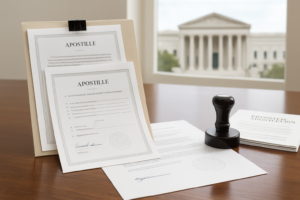
An apostille is a form of authentication issued for documents that will be used in countries that are members of the Hague Apostille Convention. It verifies the authenticity of the signature, seal, or stamp on a public document. A notary public, by contrast, confirms identity and witnesses signatures on certain documents. These are related services, but they are not the same thing.
For many individuals and businesses, the process can feel confusing because requirements vary depending on the type of document, the state where it was issued or notarized, and the country requesting it. That is why working with a professional apostille, notary, and certified translation service can save time and prevent costly mistakes.
When and Why You May Need an Apostille
You may need an apostille when a U.S. document must be presented in a foreign country for legal, academic, personal, or commercial purposes. The apostille helps foreign authorities trust that the document is genuine and properly executed.
Common situations where apostille services are needed
- Birth, marriage, and death certificates for dual citizenship, marriage abroad, inheritance, or family matters
- Diplomas, transcripts, and school records for study, teaching, or employment overseas
- Powers of attorney for real estate, banking, or legal representation in another country
- Corporate documents such as articles of incorporation, certificates of good standing, and board resolutions
- FBI background checks or other criminal record documents for visas, residency, or work permits
- Adoption paperwork for international adoption proceedings
- Affidavits and consent letters for travel, immigration, or legal proceedings
If the receiving country is not part of the Hague Apostille Convention, you may need a different process called legalization or embassy authentication instead of an apostille. This is one reason why searching for an apostille notary near me often leads people to a full-service provider that can review destination-country requirements before documents are submitted.
Apostille vs. Notarization: What Is the Difference?
Many people assume that a notary can issue an apostille. In reality, a notary public does not issue apostilles. A notary performs a separate step in the process by witnessing signatures and completing a notarial certificate where required.
Notarization
Notarization is typically needed for private documents, such as affidavits, powers of attorney, authorization letters, copies of passports where permitted, and business statements. The notary verifies identity, confirms willingness to sign, and applies an official seal or stamp.
Apostille
An apostille is issued by a competent authority, usually the Secretary of State for state documents or the U.S. Department of State for certain federal documents. The apostille authenticates the official signature on the document so it can be recognized abroad.
In many cases, the process starts with notarization and ends with an apostille. That is why people often search for an apostille notary near me when they need both services handled correctly and efficiently.
Which Documents Usually Need Notarization Before an Apostille?
Whether notarization is required depends on the document type.
Documents that often require notarization first
- Powers of attorney
- Affidavits and sworn statements
- Parental consent letters
- Single status affidavits
- Business agreements
- Letters of authorization
- Certified copies prepared in compliance with state rules
Documents that are usually apostilled as certified vital or official records
- Birth certificates
- Marriage certificates
- Death certificates
- Court orders
- State-issued background checks
- School records signed by an authorized registrar or official
Official records generally must be obtained in the correct certified format from the issuing agency. A photocopy is usually not enough. If you are unsure, a professional review can determine whether your document is ready for apostille or whether it first needs notarization, certification, or replacement.
Step-by-Step: How the Apostille Process Works
Understanding the process can help you move faster and avoid rejection.
- Identify the destination country. First confirm whether the country where the document will be used accepts apostilles under the Hague Convention. If not, legalization may be required instead.
- Determine the document type. Is it a state-issued record, a notarized private document, or a federal document such as an FBI background check? The answer determines which authority issues the apostille.
- Check whether notarization is needed. Private documents often require notarization before apostille. Official records usually need to be obtained as certified originals or certified copies from the issuing authority.
- Verify signatures and formatting. The signature, seal, and notarial wording must comply with state or federal requirements. Errors at this stage can cause delays.
- Submit to the correct office. State-level apostilles are typically issued by the Secretary of State in the state where the document was notarized or issued. Federal documents go through federal authentication channels.
- Request certified translation if needed. If the receiving country requires the document in another language, a certified translation may be necessary either before or after apostille depending on the country and institution.
- Receive the apostilled document. Once processed, the apostille is attached to the underlying document and returned for international use.
Because every step must align properly, many clients prefer a service that can coordinate notarization, apostille processing, and translation together rather than trying to manage multiple providers.
What Documents and Information Should You Prepare?
When contacting a provider after searching for an apostille notary near me, it helps to have the following ready:
- The document itself or a clear scan for review
- The destination country
- The purpose of the document, such as marriage, immigration, study, business, or real estate
- Whether the document is an original, certified copy, or photocopy
- Your deadline
- Whether you also need notarization
- Whether you also need certified translation
Having this information upfront allows a professional service to tell you the correct next steps, estimated turnaround time, and expected cost.
How Certified Translation Fits Into the Process
Certified translation is often an essential part of preparing documents for international use. If the receiving authority does not accept English-language documents, you may need a certified translation into the official language of the destination country.
When certified translation may be needed
- Birth and marriage certificates for immigration or civil registration abroad
- Academic transcripts and diplomas for foreign schools or employers
- Court documents and affidavits for international legal matters
- Corporate documents for foreign registration or compliance
A certified translation generally includes a signed statement from the translator or translation company confirming that the translation is complete and accurate to the best of their knowledge. Depending on the receiving institution, the translation itself may also need notarization or separate authentication.
This is another reason people search for an apostille notary near me but ultimately need a broader service: notarization alone is often only one part of the full document preparation process.
Typical Costs for Apostille, Notary, and Translation Services
Costs vary based on document type, jurisdiction, urgency, and whether additional services are needed. While fees differ by state and provider, the following categories are common:
- Notary fees: Usually charged per signature or notarized act, subject to state law
- State apostille fees: Government fees per document or per apostille certificate
- Service or handling fees: Charged by professional providers for review, submission, tracking, and support
- Rush processing fees: Additional charges for expedited timelines
- Shipping or courier fees: Especially important for original documents
- Certified translation fees: Often based on word count, page count, or document type
Simple notarized documents may be relatively affordable, while multi-document business filings, federal authentications, or urgent requests can cost more. A reputable provider should explain the fee structure clearly before proceeding.
How Long Does It Take?
Turnaround time depends on the issuing authority, the state involved, the type of document, and whether the request is routine or expedited.
Factors that affect processing time
- Whether the document is already in the correct format
- Whether notarization must be scheduled first
- The backlog at the Secretary of State or federal office
- Mailing time to and from the processing office
- Whether certified translation is needed
- Whether the destination country has extra requirements
Some apostille requests can be completed in a few business days with expedited handling, while others may take several weeks. If you have a court date, visa appointment, school enrollment deadline, or international closing, it is best to start as early as possible.
Common Mistakes to Avoid
Apostille rejections and delays are often caused by avoidable errors. Here are some of the most common problems:
- Using the wrong document version. For example, submitting an uncertified birth certificate or an unofficial school transcript.
- Notarization errors. Missing notarial wording, expired commission, incomplete seal, or mismatched names can lead to rejection.
- Sending the document to the wrong authority. State and federal documents follow different authentication paths.
- Ignoring destination-country rules. Some countries require translation, specific formatting, or legalization instead of apostille.
- Waiting until the last minute. International paperwork often takes longer than expected.
- Assuming every document can be copied. Some documents must be original certified records from the issuing office.
- Overlooking name discrepancies. Differences in spelling or legal names across documents may create issues abroad.
Working with a professional service helps identify these issues before submission, reducing the risk of rejection and repeat fees.
How to Choose the Right Apostille Service
When looking for an apostille notary near me, convenience matters, but expertise matters more. The right provider should understand state and federal apostille procedures, notarial compliance, and translation requirements.
What to look for
- Experience with both personal and business documents
- Clear guidance on whether notarization is needed
- Knowledge of state-specific and country-specific requirements
- Certified translation support when necessary
- Transparent pricing and realistic timelines
- Secure handling of sensitive original documents
- Responsive communication and status updates
A knowledgeable service can review your documents, explain the proper path, and coordinate the process from start to finish.
Final Thoughts
Searching for an apostille notary near me is often the first step in preparing important U.S. documents for legal use abroad. Whether you need a notarized power of attorney, an apostilled birth certificate, a certified translation, or a complete document package for international submission, accuracy is essential.
The process becomes much easier when you understand the difference between notarization and apostille, know which documents are required, and verify the rules of the destination country before filing. With the right professional support, you can avoid delays, protect your originals, and move forward with confidence.
For individuals, families, students, and businesses handling international paperwork, a professional apostille, notary, and certified translation service can provide the practical help needed to get documents accepted the first time.
