
Dual Citizenship in Ghana: Eligibility, Application Steps, Documents, Costs, and Common Pitfalls
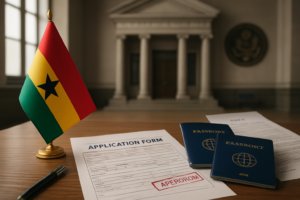
Dual Citizenship in Ghana is an important legal option for Ghanaians who have acquired another nationality and want to retain formal ties to Ghana. It is also a high-interest topic for members of the Ghanaian diaspora who need clarity on eligibility, procedures, documentation, and the practical effects of holding more than one nationality. If you are researching Dual Citizenship in Ghana, it is essential to understand both the legal framework and the administrative process before filing an application.
In general terms, Ghana permits dual citizenship for Ghanaian citizens under its nationality laws, subject to compliance with the prescribed application procedure. The process is handled through the relevant Ghanaian authorities, and applicants must present complete, properly authenticated records. Because many applicants rely on foreign-issued documents such as passports, naturalization certificates, marriage certificates, or birth certificates, understanding apostille, legalization, and certified translation requirements is especially important.
What Is Dual Citizenship in Ghana?
Dual Citizenship in Ghana refers to the legal recognition that a Ghanaian citizen may also hold the citizenship of another country without automatically losing Ghanaian nationality, provided the person follows the required legal process. In practice, this often applies to a Ghanaian by birth who later naturalizes abroad and wishes to regularize their status with the Ghanaian authorities.
Ghana’s dual nationality regime is designed to maintain the connection between Ghana and its global citizens. However, dual citizenship does not remove all legal restrictions. Certain public offices and security-sensitive positions may remain restricted to persons who owe allegiance only to Ghana under applicable constitutional or statutory rules. Therefore, applicants should not only focus on obtaining dual citizenship status but also understand its legal implications.
Who Is Eligible for Dual Citizenship in Ghana?
Primary Eligible Category
The main category eligible for Dual Citizenship in Ghana is a person who is already a citizen of Ghana and has also acquired the citizenship of another country. This commonly includes:
- Ghanaians by birth who later became citizens of another country through naturalization.
- Ghanaians who acquired a second nationality through descent, registration, or another lawful route recognized by the foreign country.
- Persons with valid evidence that they remain entitled to Ghanaian citizenship under Ghanaian law and seek formal recognition of dual nationality status.
Important Practical Point
Dual citizenship is not the same as applying to become Ghanaian for the first time. A foreign national who has no Ghanaian citizenship would generally need to pursue registration or naturalization under the relevant Ghanaian immigration and nationality laws, not a dual citizenship certificate. In other words, Dual Citizenship in Ghana is primarily a retention or recognition procedure for existing Ghanaian citizens who also hold another nationality.
Possible Restrictions
Even after approval, dual citizens in Ghana may face restrictions in relation to some public offices. Before relying on dual nationality for employment, political participation, or public appointments, it is wise to confirm the current legal position with a qualified Ghanaian lawyer or the competent state authority.
Step-by-Step Procedure for Dual Citizenship in Ghana
- Confirm your Ghanaian citizenship status. Before applying, gather proof that you are a Ghanaian citizen, such as a Ghanaian birth certificate, expired or current Ghanaian passport, certificate of citizenship, or other official evidence.
- Confirm your foreign citizenship details. You will need documentary proof of the other nationality, often a foreign passport, naturalization certificate, registration certificate, or citizenship card, depending on the country involved.
- Obtain the official application form. The dual citizenship application is usually obtained through the relevant Ghanaian authority, such as the Ministry of the Interior, the Ghana Immigration Service, or a Ghanaian embassy or consulate if applying from abroad.
- Complete the form carefully. Ensure that your names, dates of birth, places of birth, passport numbers, and citizenship history are consistent across all documents. Inconsistencies are one of the most common causes of delay.
- Gather supporting documents. Prepare identity documents, photographs, proof of Ghanaian citizenship, proof of foreign citizenship, and any civil status records required for your case.
- Authenticate foreign documents. If your supporting records were issued outside Ghana, they may need to be apostilled or legalized before they can be accepted for official use in Ghana.
- Translate documents if necessary. If any document is not in English, it should usually be translated by a certified translator, and the translation may also need notarization or further authentication depending on the authority’s requirements.
- Submit the application and pay the fee. File the completed application with the appropriate Ghanaian office and retain proof of submission and payment.
- Respond to follow-up requests. Authorities may request clarification, additional documents, or corrected copies if something is missing or inconsistent.
- Receive the dual citizenship certificate or approval document. Once approved, keep the certificate securely and use it when dealing with passport, immigration, or identity matters involving Ghana.
Required Documents for Dual Citizenship in Ghana
The exact checklist can vary, but applicants for Dual Citizenship in Ghana commonly need the following:
- Completed application form.
- Recent passport-sized photographs.
- Valid identification document.
- Proof of Ghanaian citizenship, such as a Ghanaian birth certificate, Ghanaian passport, or citizenship certificate.
- Proof of foreign citizenship, such as a foreign passport or naturalization certificate.
- Evidence of name changes, if applicable, such as a deed poll, marriage certificate, divorce decree, or court order.
- Proof of address or contact details.
- Receipts showing payment of the official application fee.
- Any additional declarations, affidavits, or supporting letters requested by the authority.
Applicants should provide clear, legible copies and be prepared to present originals for inspection. If your records contain different spellings, missing middle names, or inconsistent dates, address those issues before submission where possible.
Apostille, Legalization, and Certified Translation of Foreign Documents
One of the most overlooked aspects of Dual Citizenship in Ghana is the proper preparation of foreign-issued documents. Ghanaian authorities may not accept a foreign certificate at face value unless it has been properly authenticated for international use.
When Apostille May Be Required
If the country that issued your document is part of the Hague Apostille system and Ghana accepts apostilled documents for the relevant purpose, you may need to obtain an apostille from the competent authority in the issuing country. An apostille certifies the origin of the public document so it can be used abroad more easily.
When Consular Legalization May Be Required
If apostille is not available or not accepted for your document type, consular legalization may be necessary. This often involves multiple steps, such as notarization where applicable, authentication by the foreign ministry or equivalent authority in the issuing country, and legalization by the Ghanaian embassy or consulate serving that jurisdiction.
Certified Translation Requirements
If a foreign document is not in English, it should generally be translated by a certified or sworn translator. In some cases, the translation must be attached to the authenticated original or a certified copy. Some authorities also require notarization of the translator’s signature or legalization of the translation itself. Because English is the official language used for administration in Ghana, submitting an unofficial translation can lead to rejection or delay.
Best Practice
Before ordering apostilles, legalizations, or translations, confirm the current documentary rules with the receiving office in Ghana or the relevant Ghanaian mission abroad. Requirements can vary depending on the document type and where you submit the application.
Processing Times for Dual Citizenship in Ghana
Processing times for Dual Citizenship in Ghana are not always fixed and can vary based on the completeness of the file, the place of submission, and the volume of applications being handled. Straightforward cases with complete documentation may move more quickly, while cases involving missing records, identity discrepancies, or foreign document verification can take significantly longer.
As a practical matter, applicants should allow for several weeks to several months. If you are applying from outside Ghana through an embassy or consulate, additional time may be needed for file transmission and document verification. Avoid making urgent travel or legal plans that depend on immediate approval unless you have written confirmation of timelines from the competent authority.
Costs and Fees
The cost of obtaining Dual Citizenship in Ghana usually includes more than just the government filing fee. Applicants should budget for:
- Official application fees charged by the Ghanaian authority.
- Passport photos and photocopying.
- Notarization fees, where required.
- Apostille or legalization fees in the issuing country.
- Embassy or consular legalization fees, if applicable.
- Certified translation fees for non-English documents.
- Courier or travel costs if documents must be submitted in person.
Because fees can change, always verify the latest amount with the official Ghanaian authority or mission where you intend to apply. Be cautious about relying on unofficial fee tables posted online by third parties.
Common Pitfalls to Avoid
- Submitting incomplete forms: Missing signatures, unanswered questions, or outdated forms can delay your case.
- Name mismatches: Differences between your Ghanaian and foreign documents should be explained with legal proof of name change.
- Using uncertified translations: Informal translations are often not accepted for official use.
- Ignoring authentication rules: A foreign birth or naturalization certificate may need apostille or legalization before Ghanaian authorities will rely on it.
- Providing unclear copies: Illegible scans and damaged certificates can trigger requests for resubmission.
- Assuming eligibility without proof: If your Ghanaian citizenship is not clearly documented, resolve that issue first.
- Overlooking legal consequences: Dual citizenship may affect eligibility for certain offices or roles in Ghana.
Final Thoughts on Dual Citizenship in Ghana
Dual Citizenship in Ghana can be highly valuable for Ghanaians living abroad or anyone seeking to preserve legal and personal ties to the country while holding another nationality. The key to a smooth application is preparation: confirm your eligibility, collect consistent evidence, authenticate foreign documents correctly, and use certified translations where necessary.
Because procedures and fees may evolve, applicants should always verify current requirements with the Ministry of the Interior, the Ghana Immigration Service, or the nearest Ghanaian embassy or consulate. With careful planning and accurate documentation, the process for Dual Citizenship in Ghana is manageable and can provide lasting legal certainty for your status in Ghana.
