
Dual Citizenship in Vanuatu: Rules, Eligibility, Application Steps, Documents, Costs, and Common Pitfalls
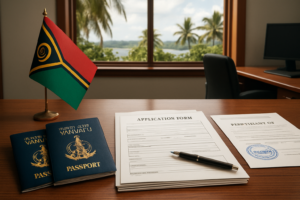
Dual Citizenship in Vanuatu is an important topic for citizens by birth, descent, marriage, and naturalization, as well as for foreign nationals seeking to acquire Vanuatu nationality without unnecessarily losing their original citizenship. Because nationality rules can change through constitutional amendments, legislation, and administrative practice, applicants should always verify the latest requirements with the relevant Vanuatu authorities before filing. Still, understanding the general framework can help you prepare a compliant application and avoid costly delays.
This guide explains the main rules on dual nationality in Vanuatu, who may be eligible, how the application or retention process usually works, what documents are required, how foreign documents must be apostilled or legalized and certified-translated for use in Vanuatu, likely processing times, expected costs, and common pitfalls.
Is Dual Citizenship in Vanuatu Allowed?
In general, Dual Citizenship in Vanuatu is recognized under modern Vanuatu nationality law and constitutional practice. This means a person may, in many circumstances, hold Vanuatu citizenship together with another nationality. However, the exact legal outcome depends on several factors, including:
- How the person acquired Vanuatu citizenship
- Whether the other country also permits dual citizenship
- Whether the applicant has complied with any declaration, oath, or registration requirements
- Whether there are public interest, character, or fraud concerns
Even where Vanuatu permits dual nationality, the applicant must also check the law of the other country. Some states automatically revoke citizenship upon voluntary naturalization abroad, while others require prior retention permission or a declaration. Therefore, Dual Citizenship in Vanuatu is never only a Vanuatu law question; it is also a question of the foreign country’s nationality rules.
Who Is Eligible for Dual Citizenship in Vanuatu?
1. Citizens by Birth or Descent
Persons born to Vanuatu parents, or otherwise entitled to citizenship by descent under Vanuatu law, may often retain or claim Vanuatu citizenship even if they also hold another nationality. Eligibility usually depends on proving the family link through birth certificates, parent citizenship documents, and civil status records.
2. Foreign Nationals Applying for Naturalization
Foreign nationals who meet residence and legal eligibility requirements may be able to apply for Vanuatu citizenship through naturalization. If Vanuatu permits them to retain their prior nationality and the foreign state also allows this, they may end up with Dual Citizenship in Vanuatu. Naturalization cases are typically examined more closely for residence history, character, lawful status, and document authenticity.
3. Spouses of Vanuatu Citizens
A foreign spouse of a Vanuatu citizen may have a pathway to citizenship, subject to the applicable legal requirements. Marriage alone does not usually grant automatic citizenship; the applicant normally must submit a formal application and provide evidence of a genuine marriage, legal status, and identity.
4. Persons Regularizing or Confirming Status
Some individuals seek not a first grant of citizenship but confirmation, registration, or retention of an existing entitlement. This may happen when a person was born abroad to Vanuatu parents, acquired another nationality, or needs official recognition of status for passport or civil registry purposes.
Step-by-Step Procedure for Dual Citizenship in Vanuatu
Step 1: Confirm Your Legal Basis
Before preparing any file, identify the exact route under which you are applying:
- Citizenship by birth
- Citizenship by descent
- Citizenship by marriage
- Naturalization
- Confirmation, registration, or retention of citizenship
This matters because the required forms, supporting evidence, and review standards may differ significantly.
Step 2: Check Whether Your Other Nationality Permits Dual Status
If you already hold or plan to keep another nationality, verify whether that country allows dual citizenship. In some cases, you may need legal advice from that country before proceeding. This is especially important before naturalization, because some citizenship losses happen automatically by operation of foreign law.
Step 3: Gather Civil, Identity, and Status Documents
Most applications for Dual Citizenship in Vanuatu require a set of core documents, such as:
- Valid passport or travel document
- Birth certificate
- Passport-sized photographs
- Proof of current nationality or nationalities
- Marriage certificate, if applying through marriage or changing name
- Police clearance certificate, especially for adult naturalization applicants
- Proof of residence or immigration status in Vanuatu, where relevant
- Parent citizenship documents for descent claims
- Any prior citizenship certificates, renunciation records, or retention approvals, if applicable
Authorities may also request additional evidence depending on the case, including affidavits, family registration extracts, adoption records, divorce decrees, or court orders.
Step 4: Prepare Foreign Documents Correctly
One of the most overlooked parts of the process is document formalization. If your documents were issued outside Vanuatu, they generally must be accepted for legal use in Vanuatu through one of the following methods:
- Apostille: If the issuing country and the receiving framework recognize apostille usage for the document in question, the foreign public document may need an apostille from the competent authority in the country of origin.
- Legalization: If apostille is not available or not accepted in the specific case, the document may need consular or diplomatic legalization through the relevant chain of authentication.
Applicants should not assume that a notarized copy alone is enough. In many citizenship files, original documents or certified copies must be formally authenticated for international use.
Step 5: Obtain Certified Translations if Needed
If a foreign document is not in English, it should generally be translated by a qualified or certified translator before submission in Vanuatu. Best practice is to provide:
- A full translation of the entire document
- The original document or a certified copy
- The apostille or legalization attached to the original foreign document where required
- A translator’s certification statement
Translations should be accurate and consistent with names, dates, and places shown in passports and civil records. Even small differences in spelling can trigger requests for clarification.
Step 6: Complete the Official Application Forms
Use the correct form issued by the competent Vanuatu authority. Fill it out carefully and consistently. Any mismatch between the form and your supporting documents, especially in names, dates of birth, marital status, or residence history, can delay the file.
Step 7: Pay the Required Government Fees
Fees vary depending on the citizenship route, administrative updates, and whether the application involves certificates, registration, or passport issuance. Keep official receipts and attach them if requested.
Step 8: Submit the Application to the Competent Authority
Applications are generally submitted to the responsible citizenship, immigration, or civil status authority in Vanuatu, or in some cases through a Vanuatu diplomatic mission if the applicant is abroad. Submission procedures may differ by category.
Step 9: Attend Interview, Oath, or Additional Verification if Requested
Some applicants may be asked to attend an interview, provide biometrics, swear an oath of allegiance, or produce extra evidence. Naturalization and marriage-based cases are more likely to involve closer factual review.
Step 10: Receive Decision and Obtain Citizenship Evidence
If approved, the applicant may receive a certificate of citizenship, registration confirmation, or another formal record. After that, the person may be able to apply for a Vanuatu passport, subject to passport issuance rules.
Required Documents for Dual Citizenship in Vanuatu
Although requirements differ by case, a practical checklist often includes:
- Completed application form
- Valid passport copy
- Full birth certificate
- Recent photographs
- Proof of lawful residence in Vanuatu, if relevant
- Police clearance from Vanuatu and/or foreign countries of residence
- Medical or character documents, if requested
- Marriage certificate or divorce decree, if relevant
- Parent’s birth certificates and citizenship proof for descent cases
- Name change documents, if applicable
- Proof of fee payment
- Apostilled or legalized foreign documents
- Certified translations of non-English documents
Always provide documents in the format requested by the authority: original, certified copy, notarized copy, or recently issued extract. Some certificates may be rejected if they are too old.
Apostille, Legalization, and Certified Translation Rules
For many applicants, the biggest procedural issue in Dual Citizenship in Vanuatu is not eligibility but document acceptance. A foreign birth certificate, marriage certificate, police certificate, or court judgment may be genuine, yet still unusable if it lacks proper authentication.
When Apostille May Be Needed
An apostille is typically used for public documents issued in one jurisdiction and presented in another where apostille recognition applies. It certifies the authenticity of the signature, seal, or stamp on the public document.
When Legalization May Be Needed
If apostille is not available, the document may need legalization through the issuing country’s foreign ministry and the relevant embassy or consular channel. This process can take longer and cost more than apostille.
Translation Best Practices
- Translate after obtaining the final authenticated version of the document
- Use a professional translator familiar with legal and civil registry terminology
- Ensure names match passport spellings exactly
- Include all stamps, annotations, and marginal notes in the translation
If in doubt, ask the receiving authority in Vanuatu whether they require the translation itself to be notarized or additionally certified.
Processing Times
Processing times for Dual Citizenship in Vanuatu vary widely depending on the route, document quality, and background checks. Straightforward descent or confirmation cases may move faster than naturalization or marriage-based applications. A realistic estimate may range from several weeks for simple administrative confirmations to several months for more complex files.
Delays commonly arise from:
- Missing apostilles or legalization
- Unclear translations
- Police certificates that have expired
- Inconsistent names across documents
- Requests for additional proof of residence or family relationship
Costs and Fees
There is no single universal price for every case of Dual Citizenship in Vanuatu. Applicants should budget for:
- Government application fees
- Certificate issuance fees
- Passport fees, if applying after approval
- Translation costs
- Apostille or legalization charges
- Courier and document retrieval costs
- Legal or professional assistance, if used
Because fee schedules may change, applicants should confirm current charges directly with the relevant Vanuatu authority before submission.
Common Pitfalls to Avoid
- Assuming dual citizenship is automatic: Even if allowed in principle, formal recognition or registration may still be necessary.
- Ignoring the law of the other country: Your non-Vanuatu nationality may have its own restrictions.
- Submitting unauthenticated foreign records: Many applications stall because documents were not apostilled or legalized.
- Using poor translations: Inaccurate translations can create identity discrepancies.
- Providing inconsistent names or dates: If your documents differ, include supporting explanations or correction records.
- Waiting too long for police certificates: Some are valid only for a limited period.
- Relying on unofficial advice: Citizenship law is technical; verify requirements with competent authorities.
Final Thoughts on Dual Citizenship in Vanuatu
Dual Citizenship in Vanuatu can be achievable for many applicants, but success depends on choosing the correct legal pathway and presenting a complete, properly authenticated file. Whether you are claiming citizenship by descent, applying through marriage, or pursuing naturalization, careful preparation of identity and civil status documents is essential.
The most important practical rule is simple: do not underestimate document formalities. Foreign records should be apostilled or legalized where required, and non-English documents should be certified-translated before submission in Vanuatu. By confirming eligibility early, checking the rules of your other nationality, and filing a consistent application, you can reduce delays and improve the chances of a smooth outcome.
