
Apostille vs. Authentication and Legalization for Non-Hague Countries California: Exact Steps for State, Federal, and Embassy Documents
Apostille vs. Authentication and Legalization for Non-Hague Countries
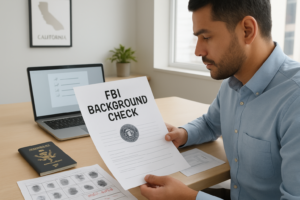
If you need to present a U.S. document in a country that is not part of the Hague Apostille Convention, an apostille is usually not enough—or not accepted at all. In that situation, you need authentication and legalization for non Hague countries California, a multi-step process that confirms the validity of a document through state, federal, and consular channels.
For individuals, families, law firms, and businesses, understanding the difference between an apostille and authentication/legalization can save time, prevent rejection, and reduce costly delays. This guide explains the exact California process for state documents, federal documents, translations, and embassy legalization.
Apostille vs. Authentication and Legalization: What Is the Difference?
An apostille is a simplified certificate used only between countries that are members of the Hague Apostille Convention. If the destination country is a Hague member, the apostille generally replaces further legalization.
By contrast, authentication and legalization for non Hague countries California involves additional verification steps. Instead of stopping with a California apostille or federal apostille, the document usually must pass through:
- Notarization or certified issuance, if required
- California Secretary of State authentication for state-level documents
- County certification in certain cases
- U.S. Department of State authentication for federal use or after state certification, depending on document type
- Legalization by the destination country’s embassy or consulate
The exact route depends on the document and the country where it will be used.
When You Need Authentication and Legalization for Non Hague Countries California
You may need this process for countries such as the United Arab Emirates, Qatar, Kuwait, Egypt, or other jurisdictions that require consular legalization instead of an apostille. Common document types include:
- Birth certificates
- Marriage certificates
- Death certificates
- Diplomas and transcripts
- Powers of attorney
- Corporate formation documents
- Certificates of good standing
- FBI background checks
- Affidavits and authorization letters
- Commercial invoices and export documents
Before starting, always confirm the current requirements of the destination country’s embassy or consulate, because rules can change without notice.
California State Documents: Exact Process
For California-issued state or local documents, the first step is making sure you have the correct version of the document. Vital records, court documents, and business filings often must be certified copies issued by the proper authority.
Typical process for California state documents
- Obtain the correct original or certified copy. For example, a birth certificate should typically come from the county recorder or California Department of Public Health, depending on the document type and destination requirements.
- Notarize the document if needed. Some documents, such as powers of attorney, affidavits, or translated statements, must be notarized before they can move forward.
- County clerk certification if required. If a California notary signed the document, some cases require county clerk authentication of the notary’s commission before state authentication.
- California Secretary of State authentication. This step verifies the signature of the California public official or notary.
- U.S. Department of State authentication if the embassy requires it. Some non-Hague countries require federal authentication after state certification.
- Embassy or consulate legalization. The final step is submission to the destination country’s embassy or consulate for legalization.
This is the core path for authentication and legalization for non Hague countries California when the document originates at the state level.
Federal Documents: Exact Process
Federal documents follow a different route. These documents are not authenticated through the California Secretary of State because they are issued by U.S. federal agencies.
Common federal documents
- FBI background checks
- Certificates of naturalization copies prepared under agency rules
- IRS letters
- FDA or USPTO documents
- Other federal agency records
Typical process for federal documents
- Obtain the official federal document. It must be issued by the correct U.S. agency in acceptable form.
- U.S. Department of State authentication. The federal government verifies the signature or seal of the issuing federal official.
- Embassy or consulate legalization. After federal authentication, the document is submitted to the destination country’s embassy or consulate.
For federal records, authentication and legalization for non Hague countries California usually means handling the process from California, even though the authentication itself occurs at the federal level before embassy legalization.
Translations: When They Are Required
Many non-Hague countries require documents to be translated into the official language of the destination country. In some cases, the translation itself must be notarized, and in others, both the original and the translation must be submitted together.
Best practices for translations
- Use a professional translator familiar with legal and immigration terminology
- Confirm whether the embassy requires a certified translation
- Check whether the translator’s affidavit must be notarized
- Make sure names, dates, and document numbers match exactly
Translation mistakes are a common reason documents are rejected. When arranging authentication and legalization for non Hague countries California, translation rules should be verified before any submission.
Embassy Legalization: The Final Step
Embassy legalization is what makes the document usable in many non-Hague countries. Each embassy sets its own requirements, fees, forms, and processing times. Some require prior appointments, prepaid return labels, company cover letters, or supporting identification.
Common embassy requirements may include:
- The authenticated original document
- A copy of the document
- Translation
- Application form
- Passport copy or company ID
- Filing fee or money order
Because embassy rules vary widely, the final stage of authentication and legalization for non Hague countries California is often the most technical part of the process.
Common Mistakes to Avoid
- Requesting an apostille for a non-Hague country
- Using an uncertified or unofficial copy
- Skipping county certification when required
- Submitting a poor or incomplete translation
- Sending state documents directly to an embassy without prior authentication
- Ignoring embassy-specific formatting or payment rules
Why Professional Help Can Save Time
If your document is time-sensitive, business-critical, or part of an immigration, marriage, education, or international corporate filing, professional handling can reduce rejection risk. A service experienced in authentication and legalization for non Hague countries California can identify the correct path, confirm document readiness, manage state and federal submissions, and coordinate embassy legalization.
Final Takeaway
The difference between an apostille and authentication/legalization is simple in theory but detailed in practice. For non-Hague countries, California documents often require a chain that may include notarization, county certification, California Secretary of State authentication, U.S. Department of State authentication, translation, and embassy legalization.
If you need authentication and legalization for non Hague countries California, the safest approach is to confirm the destination country’s current rules first and follow the exact document path required for state or federal records. Doing it correctly the first time helps ensure your documents are accepted abroad without unnecessary delay.
—
캘리포니아 비헤이그 국가용 인증 및 영사확인: 아포스티유와의 차이
미국 문서를 헤이그 아포스티유 협약에 가입하지 않은 국가에서 사용해야 한다면, 일반적인 아포스티유만으로는 충분하지 않거나 아예 인정되지 않을 수 있습니다. 이 경우 필요한 절차가 바로 authentication and legalization for non Hague countries California이며, 이는 주 정부, 연방 정부, 그리고 해당 국가의 대사관 또는 영사관을 통한 다단계 확인 절차를 의미합니다.
개인, 가족, 로펌, 기업 모두에게 아포스티유와 인증·영사확인의 차이를 정확히 이해하는 것은 매우 중요합니다. 이를 제대로 알면 시간 낭비를 줄이고, 문서 반려를 방지하며, 비용이 많이 드는 지연을 피할 수 있습니다. 이 가이드에서는 캘리포니아에서 진행하는 주 문서, 연방 문서, 번역문, 대사관 영사확인의 정확한 절차를 설명합니다.
아포스티유와 인증·영사확인의 차이
아포스티유는 헤이그 아포스티유 협약 가입국 사이에서만 사용되는 간소화된 인증 방식입니다. 문서를 제출할 국가가 협약 가입국이라면, 일반적으로 아포스티유만으로 추가 영사확인 없이 사용할 수 있습니다.
반면 authentication and legalization for non Hague countries California는 추가 검증 단계가 필요합니다. 즉, 캘리포니아 아포스티유 또는 연방 아포스티유 단계에서 끝나는 것이 아니라, 보통 다음 절차를 거쳐야 합니다.
- 필요한 경우 공증 또는 원본/등본의 적법한 발급
- 주 정부 문서에 대한 캘리포니아 주무장관 인증
- 일부 경우 카운티 인증
- 문서 종류에 따라 주 인증 후 또는 별도로 진행되는 미국 국무부 인증
- 제출 대상 국가 대사관 또는 영사관의 영사확인
정확한 절차는 문서 종류와 제출 국가에 따라 달라집니다.
언제 필요한가: 비헤이그 국가용 캘리포니아 인증 및 영사확인
아랍에미리트, 카타르, 쿠웨이트, 이집트 등 아포스티유 대신 영사확인을 요구하는 국가에 문서를 제출할 때 이 절차가 필요할 수 있습니다. 대표적인 문서 유형은 다음과 같습니다.
- 출생증명서
- 혼인증명서
- 사망증명서
- 졸업장 및 성적증명서
- 위임장
- 법인 설립 문서
- 법인존속증명서
- FBI 신원조회서
- 진술서 및 승인서
- 상업송장 및 수출 서류
절차를 시작하기 전에 반드시 제출 국가의 대사관 또는 영사관의 최신 요구사항을 확인해야 합니다. 규정은 예고 없이 변경될 수 있기 때문입니다.
캘리포니아 주 문서: 정확한 절차
캘리포니아에서 발급된 주 또는 지방 문서의 경우, 먼저 올바른 형식의 문서를 준비해야 합니다. 가족관계 문서, 법원 문서, 사업 관련 서류는 보통 해당 기관이 발급한 인증 등본이어야 합니다.
캘리포니아 주 문서의 일반적인 절차
- 정확한 원본 또는 인증 등본 확보 출생증명서의 경우 문서 종류와 제출 국가 요구사항에 따라 카운티 기록국 또는 캘리포니아 공중보건국에서 발급받아야 할 수 있습니다.
- 필요한 경우 공증 진행 위임장, 진술서, 번역 확인서와 같은 문서는 다음 단계로 진행하기 전에 공증이 필요할 수 있습니다.
- 필요 시 카운티 서기 인증 캘리포니아 공증인이 서명한 문서의 경우, 주 인증 전에 해당 공증인의 자격에 대한 카운티 인증이 요구될 수 있습니다.
- 캘리포니아 주무장관 인증 이 단계에서는 캘리포니아 공무원 또는 공증인의 서명을 확인합니다.
- 대사관이 요구하는 경우 미국 국무부 인증 일부 비헤이그 국가는 주 인증 후 연방 인증을 추가로 요구합니다.
- 대사관 또는 영사관 영사확인 마지막 단계로 제출 국가의 대사관 또는 영사관에 문서를 제출하여 영사확인을 받습니다.
이 절차가 바로 주 차원에서 발급된 문서에 대한 authentication and legalization for non Hague countries California의 핵심 경로입니다.
연방 문서: 정확한 절차
연방 문서는 다른 경로를 따릅니다. 이러한 문서는 미국 연방기관이 발급한 것이므로 캘리포니아 주무장관 인증을 거치지 않습니다.
대표적인 연방 문서
- FBI 신원조회서
- 규정에 따라 발급된 시민권 관련 문서 사본
- IRS 서신
- FDA 또는 USPTO 문서
- 기타 연방기관 기록
연방 문서의 일반적인 절차
- 공식 연방 문서 확보 해당 문서는 올바른 미국 연방기관이 적합한 형식으로 발급한 것이어야 합니다.
- 미국 국무부 인증 연방정부가 발급 기관 담당자의 서명 또는 직인을 확인합니다.
- 대사관 또는 영사관 영사확인 연방 인증 후 제출 국가의 대사관 또는 영사관에 문서를 제출합니다.
연방 문서의 경우 authentication and legalization for non Hague countries California는 캘리포니아에서 절차를 준비하더라도, 실제 인증은 연방 차원에서 먼저 진행된 뒤 대사관 영사확인으로 이어지는 경우가 일반적입니다.
번역문: 언제 필요한가
많은 비헤이그 국가들은 문서를 해당 국가의 공용어로 번역할 것을 요구합니다. 어떤 경우에는 번역문 자체의 공증이 필요하고, 또 어떤 경우에는 원문과 번역문을 함께 제출해야 합니다.
번역 시 모범 실무
- 법률 및 이민 용어에 익숙한 전문 번역사 이용
- 대사관이 인증번역을 요구하는지 확인
- 번역사 진술서의 공증 필요 여부 확인
- 이름, 날짜, 문서번호가 원문과 정확히 일치하는지 점검
번역 오류는 문서 반려의 가장 흔한 원인 중 하나입니다. 따라서 authentication and legalization for non Hague countries California를 진행할 때는 제출 전에 번역 요건을 반드시 확인해야 합니다.
대사관 영사확인: 최종 단계
영사확인은 많은 비헤이그 국가에서 문서를 실제로 사용할 수 있게 만드는 최종 절차입니다. 각 대사관은 자체적인 요구사항, 수수료, 신청서, 처리 기간을 운영합니다. 일부 대사관은 사전 예약, 선불 반송 라벨, 회사 커버레터, 신분증 사본 등을 요구하기도 합니다.
일반적으로 요구될 수 있는 항목은 다음과 같습니다.
- 인증이 완료된 원본 문서
- 문서 사본
- 번역문
- 신청서
- 여권 사본 또는 회사 신분증
- 수수료 또는 머니오더
대사관별 규정이 크게 다르기 때문에 authentication and legalization for non Hague countries California의 마지막 단계가 가장 기술적이고 까다로운 부분인 경우가 많습니다.
피해야 할 일반적인 실수
- 비헤이그 국가용 문서에 아포스티유를 신청하는 것
- 비공식 사본 또는 인증되지 않은 사본을 사용하는 것
- 필요한 카운티 인증을 생략하는 것
- 불완전하거나 품질이 낮은 번역문을 제출하는 것
- 사전 인증 없이 주 문서를 바로 대사관에 제출하는 것
- 대사관별 형식 또는 결제 규정을 무시하는 것
전문 서비스가 시간을 절약하는 이유
문서가 긴급하거나, 사업상 매우 중요하거나, 이민, 혼인, 학업, 국제 법인 신고와 관련되어 있다면 전문적인 진행이 반려 위험을 줄일 수 있습니다. authentication and legalization for non Hague countries California 경험이 있는 서비스는 올바른 절차를 식별하고, 문서 준비 상태를 확인하며, 주 및 연방 제출을 관리하고, 대사관 영사확인까지 조율할 수 있습니다.
마무리
아포스티유와 인증·영사확인의 차이는 개념상 단순하지만 실제 절차는 매우 세부적입니다. 비헤이그 국가에 제출하는 경우, 캘리포니아 문서는 공증, 카운티 인증, 캘리포니아 주무장관 인증, 미국 국무부 인증, 번역, 대사관 영사확인까지 이어지는 연속 절차가 필요할 수 있습니다.
authentication and legalization for non Hague countries California가 필요하다면, 가장 안전한 방법은 먼저 제출 국가의 최신 규정을 확인하고, 주 문서인지 연방 문서인지에 따라 정확한 경로를 따르는 것입니다. 처음부터 올바르게 진행하면 불필요한 지연 없이 해외에서 문서를 원활하게 인정받을 가능성이 높아집니다.
