
Dual Citizenship in New Zealand: Eligibility, Application Steps, Documents, Costs, and Common Pitfalls
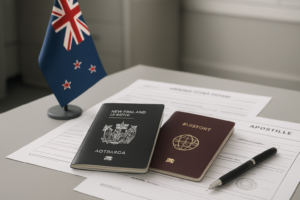
Dual Citizenship in New Zealand is a practical and important topic for migrants, returning New Zealanders, families with children born overseas, and citizens of other countries who want to keep their original nationality. New Zealand generally allows dual citizenship, but whether a person can legally hold two nationalities depends not only on New Zealand law, but also on the rules of the other country involved.
This guide explains the rules for Dual Citizenship in New Zealand, including who is eligible, how the application or retention process works, what documents are required, how foreign documents must be apostilled or legalized and certified-translated for use in New Zealand, likely processing times, costs, and common pitfalls to avoid.
Does New Zealand Allow Dual Citizenship?
Yes. In most cases, New Zealand allows dual citizenship. A person can become a New Zealand citizen without automatically losing another nationality under New Zealand law. Likewise, a New Zealand citizen may acquire another citizenship and still remain a New Zealand citizen, subject to the laws of the other country.
However, dual nationality is always a two-country question. Even if Dual Citizenship in New Zealand is allowed, the second country may restrict or prohibit dual citizenship. Before applying, it is essential to check the nationality rules of the other country through its embassy, consulate, or official government authority.
Who Is Eligible for Dual Citizenship in New Zealand?
Eligibility depends on how you obtained or plan to obtain New Zealand citizenship. The most common categories are citizenship by birth, by descent, and by grant.
1. New Zealand citizenship by birth
Some people born in New Zealand are automatically New Zealand citizens, depending on the law in force at the time of birth and the immigration or citizenship status of their parents. If such a person also acquires another nationality through a parent, dual citizenship may exist from birth.
2. New Zealand citizenship by descent
If you were born outside New Zealand and at least one parent was a New Zealand citizen otherwise than by descent at the time of your birth, you may be eligible for citizenship by descent. This is one of the most common routes connected to Dual Citizenship in New Zealand, especially for children born overseas to New Zealand parents.
Citizenship by descent is not always fully automatic in practical terms. The birth and citizenship claim typically need to be registered, and supporting evidence must be provided.
3. New Zealand citizenship by grant
Adults who have lived in New Zealand long enough and meet residence, character, language, and intention requirements may apply for citizenship by grant. If approved, they can usually retain their original nationality, provided their home country permits it.
Typical requirements for citizenship by grant include:
- Holding a residence class visa, usually permanent residence
- Meeting the physical presence requirement in New Zealand over the qualifying period
- Being of good character
- Having sufficient knowledge of the responsibilities and privileges of citizenship
- Intending to continue living in New Zealand, or to maintain a close and continuing connection with the country
Step-by-Step Procedure for Dual Citizenship in New Zealand
Step 1: Confirm whether the other country allows dual nationality
Before starting any citizenship process, verify whether your current country of citizenship permits you to keep that nationality after becoming a New Zealand citizen. This is especially important for applicants by grant.
Step 2: Identify the correct citizenship pathway
Determine whether you are applying through:
- Citizenship by descent
- Citizenship by grant
- A child citizenship registration process linked to a New Zealand parent
Using the correct pathway is critical because the forms, fees, and evidence differ.
Step 3: Gather the required documents
You will generally need identity, civil status, and nationality documents. Exact requirements vary, but common documents include:
- Current passport or travel document
- Full birth certificate
- Proof of parent’s New Zealand citizenship, if applying by descent
- Parents’ marriage certificate, if relevant
- Name change certificate or deed poll, if applicable
- Residence visa evidence, if applying by grant
- Proof of time spent in New Zealand, if required
- Passport-style photographs, if requested
- Police certificates or character-related records, where applicable
Step 4: Ensure foreign documents are valid for use in New Zealand
Foreign documents submitted in support of Dual Citizenship in New Zealand must often be authenticated so New Zealand authorities can rely on them. The method depends on the country that issued the document.
Step 5: Apostille or legalize foreign documents
If your document comes from a country that is party to the Hague Apostille Convention, you will usually need an apostille from the competent authority in the issuing country. An apostille confirms the authenticity of the signature, seal, or stamp on the public document.
If the issuing country is not part of the Hague Apostille Convention, the document may need consular or diplomatic legalization instead. This usually involves certification by the foreign ministry of the issuing country and then legalization through the relevant New Zealand diplomatic channel or another accepted process, depending on current official requirements.
Always check the latest New Zealand government guidance on whether an apostille or legalization is required for your specific document type. Do not assume every foreign document must be authenticated in the same way.
Step 6: Obtain certified translations if documents are not in English
For use in New Zealand, documents not issued in English should be translated by a qualified or certified translator. The translation should be complete and accurate, and it should normally be submitted together with a copy of the original document. In many cases, authorities expect the translator to be independent and professionally competent.
Best practice is to provide:
- A clear copy of the original foreign-language document
- The apostilled or legalized version, if required
- A full certified English translation
- The translator’s certification statement and contact details
Poor-quality translations, partial translations, or self-translations are common reasons for delay.
Step 7: Complete the application form and pay the fee
Applications for New Zealand citizenship are typically made through the Department of Internal Affairs, either online or by using the correct official process for the citizenship category. Review every answer carefully and make sure names, dates, and places match your supporting documents.
Step 8: Submit the application and respond to any follow-up requests
After submission, the authority may request additional evidence, clarification about identity, or better copies of documents. If there are inconsistencies in family records, spelling variations, or questions about travel history, respond promptly and completely.
Step 9: Wait for a decision
If your application is approved by grant, you may need to attend a citizenship ceremony before citizenship is finalized. For citizenship by descent, the process is generally administrative once the claim is accepted and registration is completed.
Required Documents for Dual Citizenship in New Zealand
While exact requirements vary, applicants should be prepared to provide the following:
- Proof of identity, such as a valid passport
- Full birth certificate showing parents’ details
- Evidence of a parent’s New Zealand citizenship at the relevant time
- Marriage, divorce, or civil union records if they explain family relationships
- Evidence of lawful residence and presence in New Zealand for grant applications
- Recent photographs if required by the application format
- Any previous citizenship certificates or nationality records
- Certified translations and apostille or legalization documents for foreign records
Use official copies where possible. If the authority asks for certified copies, follow the certification rules exactly.
Processing Times
Processing times for Dual Citizenship in New Zealand vary depending on the pathway, the completeness of the application, and whether the authority needs to verify overseas documents. Straightforward descent cases may move faster than grant applications, while complex cases involving multiple countries, name discrepancies, or missing civil records can take significantly longer.
As a general rule:
- Citizenship by descent applications are often quicker if documents are complete
- Citizenship by grant applications may take several months or longer
- Requests for apostilled records, police certificates, or corrected civil documents can add substantial time
Applicants should consult the current published timelines from the Department of Internal Affairs, as official service standards can change.
Costs and Fees
The total cost of obtaining Dual Citizenship in New Zealand depends on more than the citizenship application fee alone. Budget for:
- Government citizenship application fees
- Passport renewal or identity document costs
- Apostille fees in the issuing country
- Legalization fees where apostille is not available
- Certified translation costs
- Courier, notarization, and document replacement fees
Because fee schedules can change, always verify the latest amounts on the official New Zealand government website and with the authorities issuing your foreign documents.
Common Pitfalls to Avoid
Assuming the other country allows dual citizenship
One of the biggest mistakes is focusing only on New Zealand law. Always confirm the rules of your current nationality before applying.
Submitting incomplete birth or marriage records
Short-form certificates are often insufficient. Use full civil records that clearly show parentage and legal names.
Ignoring apostille or legalization requirements
If a foreign document requires authentication, failing to obtain it can delay or derail the application.
Using non-certified or inaccurate translations
New Zealand authorities need reliable English translations. Informal translations create credibility problems and often trigger further requests.
Name inconsistencies across documents
Differences in spelling, order of names, or surname changes should be explained with supporting evidence such as a marriage certificate or legal name change document.
Applying under the wrong citizenship category
Citizenship by descent and citizenship by grant are distinct processes. Choosing the wrong route can waste time and money.
Final Thoughts on Dual Citizenship in New Zealand
Dual Citizenship in New Zealand is possible in many cases, and the country is generally open to dual nationality. The key is to identify the correct citizenship pathway, prepare complete evidence, and make sure all foreign documents are properly apostilled or legalized and certified-translated for use in New Zealand.
For the best outcome, rely on current official guidance from the Department of Internal Affairs and verify the nationality rules of the other country involved. A careful, well-documented application is the most effective way to avoid delays and secure recognition of your status as a dual national connected to New Zealand.
