
Dual Citizenship in Nigeria: Eligibility, Application Steps, Documents, Costs, and Common Pitfalls
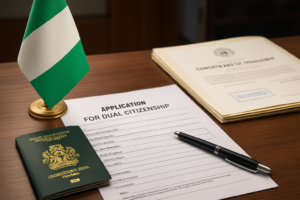
Dual Citizenship in Nigeria is a topic of growing importance for Nigerians in the diaspora, children born abroad to Nigerian parents, and foreign nationals connected to Nigeria through family or long-term residence. If you want to understand whether Nigeria allows dual nationality, who is eligible, and how the process works in practice, it is essential to distinguish between citizenship by birth, registration, and naturalization.
Nigeria does permit dual citizenship, but the rules are not the same for everyone. In general, Dual Citizenship in Nigeria is recognized for Nigerian citizens by birth who acquire another nationality. However, the legal position is more restrictive for people who became Nigerian citizens by registration or naturalization. Because procedures may involve immigration authorities, Nigerian diplomatic missions, civil records, and foreign-issued documents, applicants should prepare carefully and verify current requirements before filing.
Does Nigeria Allow Dual Citizenship?
Yes, Nigeria allows dual citizenship, but mainly for citizens by birth. A Nigerian citizen by birth can generally hold Nigerian nationality and the nationality of another country at the same time. This is the most common basis for Dual Citizenship in Nigeria, especially for children born outside Nigeria to Nigerian parents or Nigerians who later acquire foreign citizenship.
However, the position is different for those who are not Nigerian by birth. As a practical rule, a person who obtained Nigerian citizenship through registration or naturalization may face restrictions if they acquire another nationality. Likewise, a foreign national cannot simply claim dual nationality with Nigeria unless they qualify under Nigerian law and complete the proper legal process.
Who Is Eligible for Dual Citizenship in Nigeria?
1. Nigerian citizens by birth
This is the clearest category. If you are a Nigerian citizen by birth, you may generally acquire another citizenship without losing your Nigerian citizenship. This includes:
- People born in Nigeria who qualify as Nigerian citizens by birth under the Constitution.
- People born outside Nigeria to a Nigerian parent, where the legal requirements for citizenship by descent are met.
- Individuals who already hold proof of Nigerian citizenship by birth and later become citizens of another country.
2. Children born abroad to Nigerian parents
Many dual nationality cases involve children born in countries that grant citizenship by birth on their territory or through a parent. If one or both parents are Nigerian, the child may often be entitled to Nigerian citizenship by birth, while also holding the citizenship of the country of birth or the other parent.
3. Nigerians seeking confirmation or retention of status
Some applicants are already Nigerian citizens by birth but need formal recognition, documentation, or reissuance of proof after obtaining another nationality. In these cases, the process is often less about “applying” for dual citizenship and more about documenting existing Nigerian citizenship and obtaining the correct passport or certificate.
4. Foreign spouses and naturalized persons
Foreign spouses of Nigerians or long-term residents may be eligible for Nigerian citizenship by registration or naturalization, depending on the facts. But this does not automatically create a broad right to Dual Citizenship in Nigeria. Because the legal consequences can differ, these applicants should obtain case-specific advice before acquiring or retaining another nationality.
Step-by-Step Procedure for Dual Citizenship in Nigeria
Step 1: Identify your citizenship basis
First, determine whether you are claiming Nigerian citizenship by birth, by descent, by registration, or by naturalization. This affects the documents you must submit and whether dual nationality is legally secure in your case.
Step 2: Gather core identity and civil documents
Applicants should collect all foundational records, such as birth certificates, parents’ Nigerian passports, national identity records, marriage certificates where relevant, and current foreign passports. If your claim depends on a Nigerian parent, documentary proof of that parent’s citizenship is critical.
Step 3: Obtain the correct application forms or consular guidance
You may need to apply through a Nigerian embassy or high commission abroad, or through the appropriate authority in Nigeria, often involving the Nigeria Immigration Service or another competent government office. Procedures can vary depending on whether you are applying for a Nigerian passport, confirmation of citizenship, or registration of a foreign-born child.
Step 4: Prepare foreign documents for use in Nigeria
If your supporting documents were issued outside Nigeria, they may need to be apostilled or legalized before Nigerian authorities will accept them. The exact method depends on the country where the document was issued and the requirements of the Nigerian authority receiving it.
- If the issuing country uses the apostille system and the receiving authority accepts apostilled records, obtain an apostille from the competent authority in that country.
- If apostille is not sufficient or not available, consular legalization may be required. This usually means authentication by the foreign ministry of the issuing country and then legalization by the Nigerian embassy or high commission.
- Always confirm the exact chain of authentication required before spending money on document processing.
Step 5: Arrange certified translations if needed
Documents submitted in Nigeria should be in English or accompanied by a certified translation into English. If a birth certificate, marriage certificate, police record, or court document was issued in another language, use a professional translator and ensure the translation is properly certified. In some cases, authorities may also expect the translation itself to be notarized or legalized.
Step 6: Submit the application and attend any required interview
File the completed application with all supporting documents, photographs, and fee receipts. Some applicants may be asked to attend an interview, provide biometrics, or present originals for verification. If you are applying through a Nigerian mission abroad, expect local appointment procedures and document review standards.
Step 7: Wait for verification and decision
After submission, authorities may verify your identity, parental citizenship, civil status, and the authenticity of foreign records. Delays are common where names differ across documents or where legalized records are missing.
Step 8: Obtain proof of status
Once approved, the practical outcome may include a Nigerian passport, a certificate, or another formal acknowledgment of citizenship status. Keep all originals and certified copies safely, as you may need them for future passport renewals, child registration, or inheritance and property matters in Nigeria.
Required Documents for Dual Citizenship in Nigeria
The exact list varies by case, but commonly requested documents include:
- Completed application form.
- Valid foreign passport and any existing Nigerian passport.
- Birth certificate of the applicant.
- Evidence of Nigerian citizenship of parent or parents, such as Nigerian passport, certificate of birth, or other official records.
- Parents’ marriage certificate, if relevant to the claim.
- Passport photographs meeting official specifications.
- National identity records, where available.
- Proof of address.
- Sworn affidavit or statutory declaration where records contain discrepancies.
- Fee payment receipt.
- Apostilled or legalized foreign documents.
- Certified English translations of non-English documents.
For minors, parental consent documents and identification of both parents may also be required.
Apostille, Legalization, and Certified Translation Rules
One of the most overlooked parts of Dual Citizenship in Nigeria is document formalization. Nigerian authorities may reject foreign-issued certificates if they are not properly authenticated.
As a best practice:
- Request a recent official copy of the foreign document.
- Check whether the document must be notarized before authentication.
- Obtain an apostille or complete consular legalization, depending on the case.
- Translate the document into English if necessary.
- Have the translation certified and, if requested, further notarized or legalized.
- Bring both the original-language document and the translation when filing.
Because standards can differ between a Nigerian embassy abroad and an office in Nigeria, applicants should verify requirements directly with the receiving authority.
Processing Times
Processing times for Dual Citizenship in Nigeria are not uniform. Straightforward cases involving a child of clearly documented Nigerian parents may move relatively quickly, while complex files can take much longer. In practice, timelines can range from a few weeks to several months depending on:
- The location of filing.
- The completeness of the documents.
- The need for parental or identity verification.
- Backlogs at embassies, high commissions, or immigration offices.
- Whether foreign documents require additional authentication.
Applicants should avoid making travel or legal commitments until they receive final confirmation.
Costs and Fees
Costs vary widely because they may include more than just the government filing fee. Typical expense categories include:
- Application or administrative fees.
- Passport issuance fees.
- Birth registration or certificate fees.
- Notary fees.
- Apostille or legalization charges.
- Certified translation fees.
- Courier and appointment service costs.
For many applicants, the largest unexpected costs arise from correcting civil records, obtaining replacement certificates, and legalizing foreign documents. Always budget for both official and supporting-document expenses.
Common Pitfalls to Avoid
- Assuming everyone can hold dual nationality: Nigeria’s rules are more favorable to citizens by birth than to those naturalized or registered.
- Submitting incomplete parental evidence: If your claim depends on a Nigerian parent, weak proof can delay or derail the case.
- Name inconsistencies: Differences in spelling, surname order, or date formats across passports and certificates often trigger additional scrutiny.
- Ignoring apostille or legalization requirements: Foreign documents may be rejected if not properly authenticated.
- Using non-certified translations: Informal translations are usually not acceptable for official nationality matters.
- Relying on outdated checklists: Embassy and immigration requirements can change without much notice.
- Applying through the wrong channel: A passport application is not always the same as a citizenship confirmation process.
Final Thoughts
Dual Citizenship in Nigeria can be straightforward for Nigerian citizens by birth and for children born abroad to Nigerian parents, but success depends on proper documentation and careful compliance with procedure. The most important practical steps are confirming eligibility, gathering strong civil and identity records, and ensuring that every foreign document is correctly apostilled or legalized and certified-translated into English where necessary.
If your case involves naturalization, registration, adoption, disputed parentage, or inconsistent records, it is wise to seek tailored professional guidance before filing. With the right preparation, applicants can navigate the process more efficiently and avoid the delays that commonly affect dual nationality cases in Nigeria.
